
How to Obtain an FFL
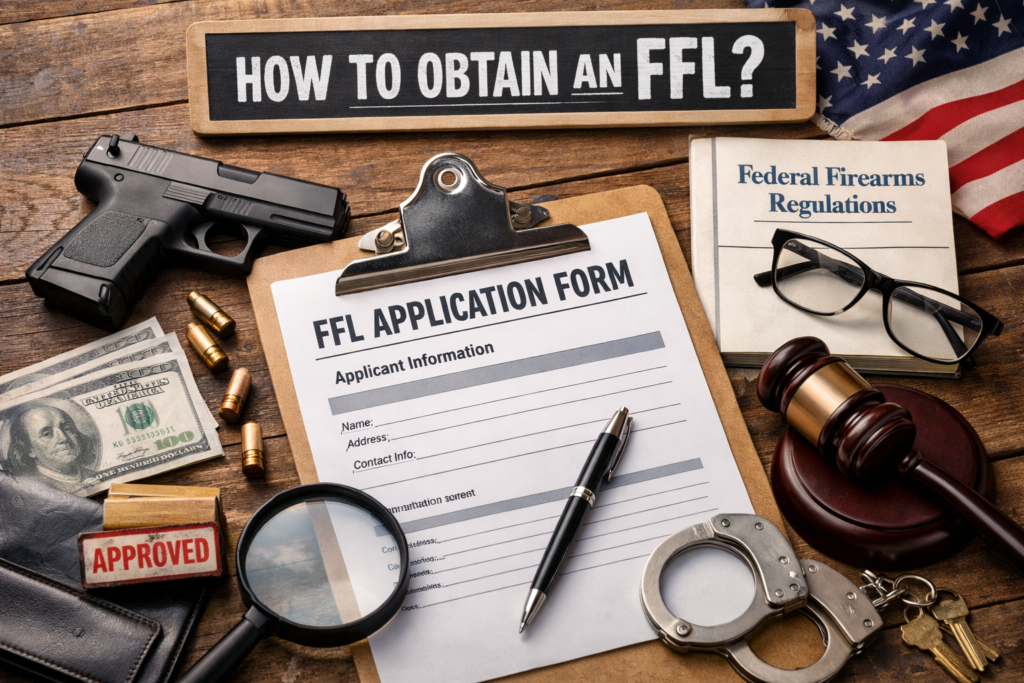
How to obtain an FFL is a crucial topic for anyone looking to engage in the firearms business. Whether you aim to sell, manufacture, or import firearms, securing a Federal Firearms License (FFL) is essential to operate legally and responsibly.
The process can seem daunting, but with the right guidance, understanding how to obtain an FFL becomes much more manageable. This guide will walk you through each step of obtaining an FFL.
Understanding the requirements is key. Both federal and state regulations play a role in the application process.
You’ll need to meet specific criteria, including age and legal eligibility. A thorough background check is also part of the process.
The application involves several steps, including completing ATF Form 7. You’ll also need to provide fingerprints and a recent photograph.
An in-person interview and premises inspection by the ATF are required. Compliance with local zoning laws is also necessary.
If you’re wondering how to obtain an FFL successfully, know that the process can take several months, so patience is important. With this guide, you’ll be well-prepared to navigate the FFL application process.
What Is an FFL and Who Needs One?
A Federal Firearms License, commonly known as an FFL, is a certification issued by the Bureau of Alcohol, Tobacco, Firearms, and Explosives (ATF). This license allows individuals or companies to legally engage in the business of manufacturing, importing, or selling firearms and ammunition.
Not everyone needs an FFL, but it’s essential for certain businesses. If you plan to deal in firearms regularly, an FFL is a must-have. Additionally, collectors of certain antique firearms may also benefit from obtaining a specific type of FFL.
Here are some key individuals who need an FFL:
-
Firearms dealers and retailers
-
Gun manufacturers
-
Importers of firearms
-
Certain firearm collectors
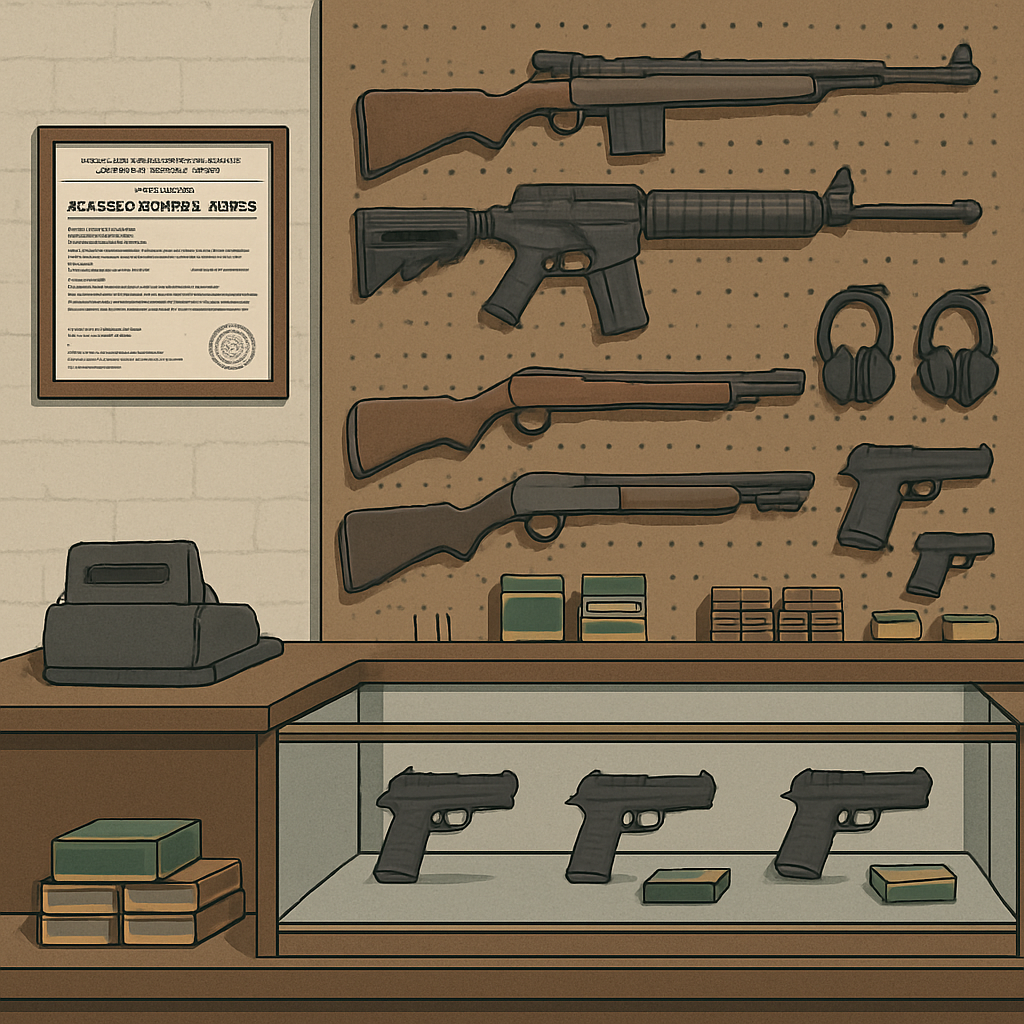
Without this license, engaging in these activities would be illegal. Understanding the necessity of an FFL is the first step toward compliance and legitimate business operations in the firearms industry.
Types of Federal Firearms Licenses
Federal Firearms Licenses come in several types, each catering to specific purposes. The diversity in licenses addresses the different roles individuals and businesses play in the firearms industry. Selecting the right FFL type is crucial for legal compliance and business success.
Here’s a brief overview of the main FFL types:
- Type 01: Dealers in firearms.
- Type 02: Pawnbrokers dealing in firearms.
- Type 03: Collectors of curios and relics.
- Type 06: Manufacturers of ammunition.
- Type 07: Manufacturers of firearms and ammunition.
- Type 08: Importers of firearms and ammunition.
- Type 09: Dealers in destructive devices.
Each type suits different activities, from the basic selling of firearms to more specialized manufacturing. For instance, Type 01 licenses are common among gun shops, while Type 07 suits manufacturing. Importers, on the other hand, typically require Type 08.
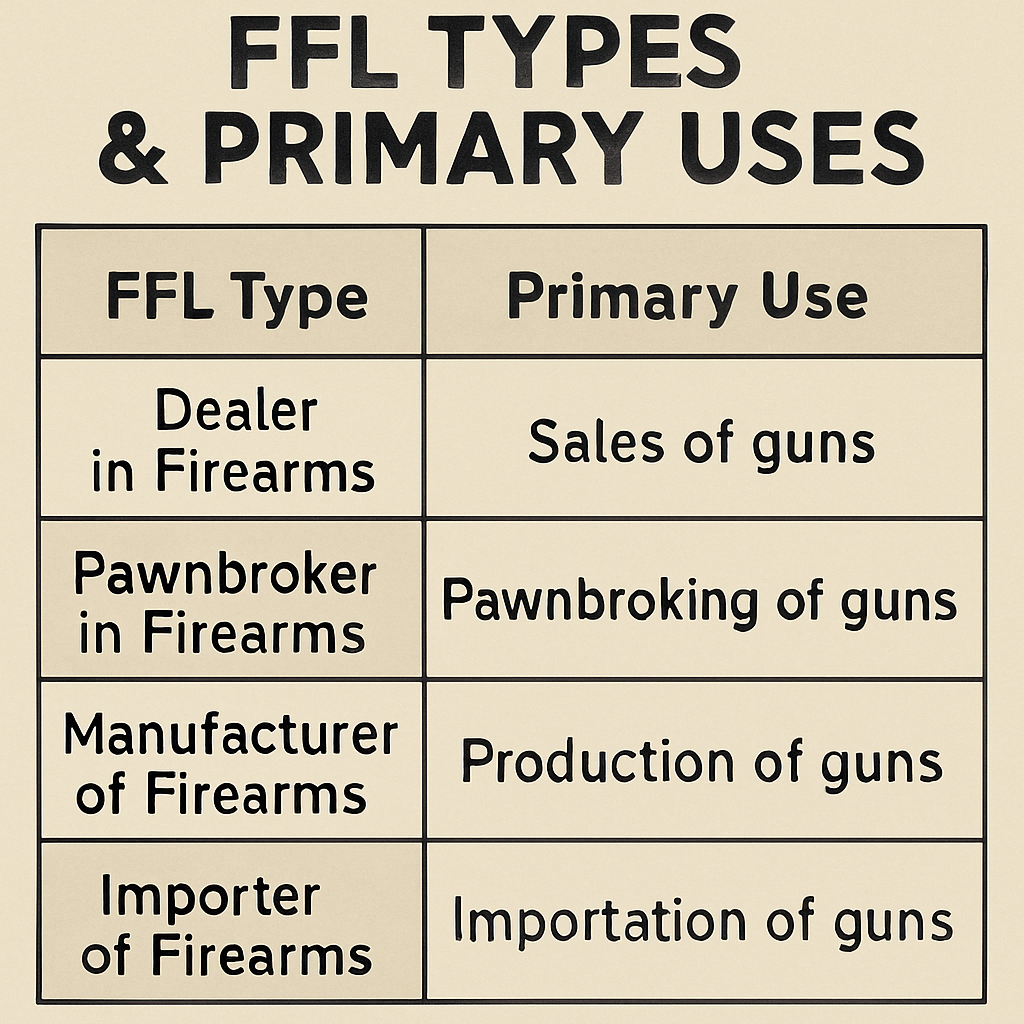
Selecting the proper type ensures you meet specific regulatory needs. Consider your business model and activities to choose the right license. This decision not only affects legal status but also impacts business operations and compliance requirements. Knowing how to obtain an FFL based on your business goals is a foundational step in this process.
FFL Requirements: Federal and State Overview
Navigating the requirements for how to obtain an FFL involves both federal and state considerations. The federal government sets baseline criteria for all applicants. Meanwhile, state-specific rules often vary, adding further layers of responsibility.
Federal requirements apply uniformly across all states. However, state laws can add unique elements to the process. Understanding both is vital for a successful application and helps clarify how to obtain an FFL that meets both sets of standards.
At the federal level, the key requirements include age, legal standing, and business premises. States may impose additional guidelines based on regional laws and local needs. Knowing how to obtain an FFL in your state helps avoid costly delays and ensures proper compliance from the beginning.
Federal FFL Requirements
For an FFL, you must first meet federal age and legal conditions. The Bureau of Alcohol, Tobacco, Firearms and Explosives (ATF) oversees and enforces these regulations.
Key federal requirements for how to obtain an FFL include:
-
Minimum age of 21 years
-
U.S. citizenship or permanent residency
-
A clean criminal record
-
Valid business premises for operation
Compliance with all federal requirements ensures your eligibility for FFL consideration.
State-Specific FFL Requirements
Each state may impose its own requirements on top of federal standards. These can vary significantly and affect your application process.
North Carolina (NC FFL Requirements)
In North Carolina, state laws demand familiarity with specific regulations. This ensures adherence to both federal standards and local ordinances.
Applicants must:
-
Acquire a state license
-
Comply with zoning restrictions
Georgia (FFL License GA)
Georgia has unique requirements to streamline adherence for local applicants. These rules work alongside federal criteria to ensure state compliance.
Essential steps include:
-
State-level background checks
-
Local business permits
Florida (How Do I Get My FFL in Florida)
Florida requires you to meet both federal and specific state laws. Proper adherence simplifies the approval process and ensures legality.
Crucial steps involve:
-
Approval from local authorities
-
Meeting state’s licensure criteria
Texas (How to Get an FFL in Texas)
For Texans, aligning with state-specific requirements is key. This includes understanding the nuances of state law alongside federal demands.
Considerations include:
-
State registration
-
Business occupancy permit
Ohio (Ohio FFL License)
Ohio’s process entails satisfying both state and federal guidelines, ensuring a smooth path to licensure.
Requirements include:
-
State-level compliance checks
-
Business documentation verification
Understanding how to obtain an FFL by meeting these federal and state requirements ensures you’re well-prepared for the licensing journey.
Step 3: Complete the Federal Firearms License Application (ATF Form 7)
ATF Form 7 is crucial in your FFL application. Completing it correctly avoids unnecessary delays. Accuracy in this form establishes the foundation for your application.
When filling out ATF Form 7, ensure:
- All information is current.
- Signatures are in place.
- No sections are left incomplete.
A well-prepared form demonstrates your commitment and readiness as an applicant.
Step 4: Submit Fingerprints and Photographs
Fingerprints and photographs are vital for security checks. The ATF requires these to verify your identity and history when beginning the process of how to obtain an FFL.
Gather the following:
-
Two sets of fingerprints
-
Recent passport-sized photographs
These submissions help establish credibility and legitimacy in your application and are non-negotiable steps in how to obtain an FFL successfully.
Step 5: Pay the Application Fee
Each FFL type comes with its own fee. The payment ensures your application progresses. Failing to pay can halt the process entirely.
Fees differ, but typically range from $30 to $200. Always verify the specific fee for your chosen FFL type when researching how to obtain an FFL.
Step 6: ATF Interview and Premises Inspection
Once initial steps are complete, the ATF interview and inspection follow. This ensures compliance with federal regulations.
During the interview, be prepared to discuss:
-
Business operations
-
Security measures
-
Compliance with local laws
The premises inspection evaluates readiness to safely store firearms and operate a legitimate business.
Step 7: Wait for Approval and Respond to ATF Requests
After submission, patience is essential. Approvals take time, often several months. During this wait, remain vigilant about potential follow-up inquiries.
Key actions include:
-
Monitoring communication
-
Responding promptly to ATF requests
Timely responses ensure a swift and successful conclusion to your application journey.
FFL Paperwork and Recordkeeping
Proper paperwork and recordkeeping are vital for maintaining an FFL. Effective documentation aids compliance and protects against legal issues. Adherence to these practices supports the integrity of your business.
FFL holders must maintain detailed records of all firearms transactions. These include sales, transfers, and even returns. Accurate records promote accountability and traceability, essential for regulatory compliance.
Essential documents to keep include:
-
Acquisition and Disposition (A&D) records
-
ATF Form 4473 for each transaction
-
Inventory logs and security measures
 by Studio Crevettes (https://unsplash.com/@louismornaud)
Regular audits and inspections by the ATF are a reality for FFL holders. Consistent and correct recordkeeping ensures these inspections go smoothly. Preparing your records in advance reduces the potential for complications during audits and supports your long-term compliance after learning how to obtain an FFL.
Finally, it’s crucial to understand that lapses in recordkeeping can lead to severe penalties. Inadequate documentation might result in fines, suspension, or revocation of your license, emphasizing the importance of meticulousness—especially after successfully navigating how to obtain an FFL.
How Hard Is It to Get an FFL? Common Challenges and Tips
Understanding how to obtain an FFL can feel overwhelming due to strict requirements and rigorous procedures. Many applicants find the application process daunting. The complexity often lies in understanding both federal and state laws.
Key challenges include:
-
Navigating the paperwork
-
Complying with state-specific laws
-
Preparing for inspections
Patience is necessary, as approval may take several months. Consistency in documentation, coupled with a clear understanding of requirements, eases the process for those learning how to obtain an FFL effectively.
It’s helpful to create a checklist to stay organized during the application. Engaging with industry professionals or legal experts can provide clarity and lessen mistakes. Their insights and tips are invaluable when mastering how to obtain an FFL in your state or business category.
Lastly, meticulous preparation reduces delays and increases success chances. Addressing potential challenges in advance paves a smoother path to becoming an FFL holder.